
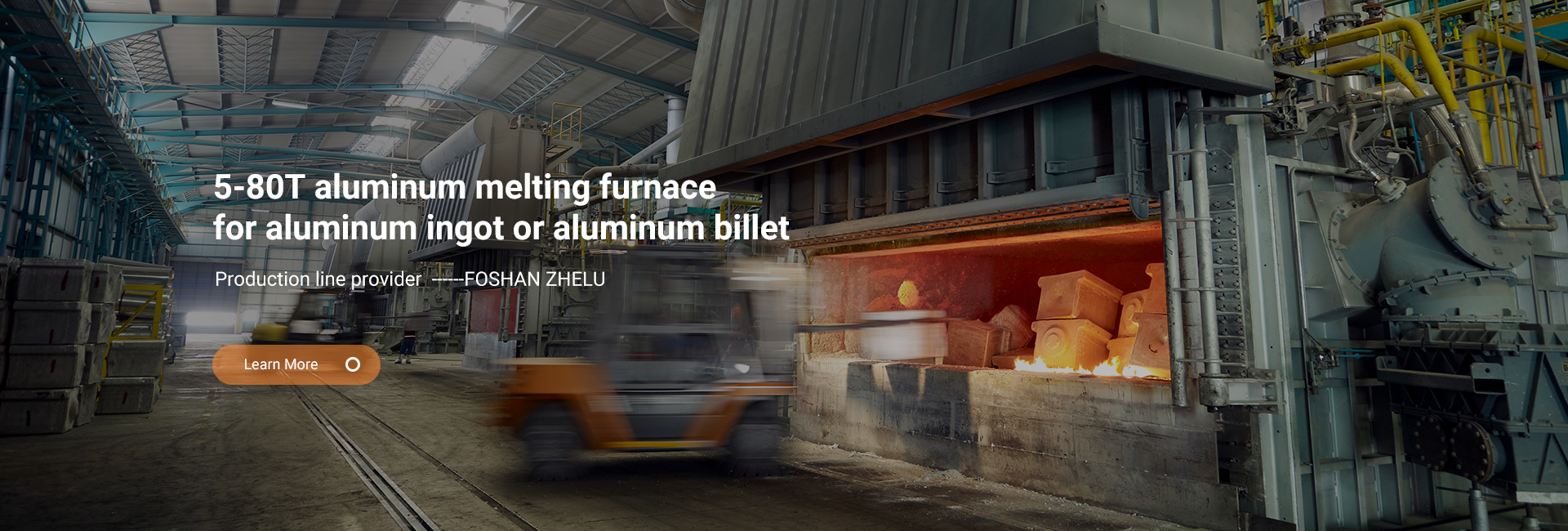

A melting furnace is essential for aluminum recycling, alloy production, and foundry operations. Its design affects melting capacity, energy consumption, metal recovery, and the consistency of molten aluminum.
This guide covers industrial melting furnace types, key performance factors, and the auxiliary materials used in aluminum melting and casting.
What Is a Melting Furnace?
A melting furnace heats solid metal until it becomes molten for further processing. In aluminum production, it is used to melt aluminum ingots, remelt scrap, prepare aluminum alloys, and supply molten metal for casting.
An industrial melting furnace must match the feedstock, required production capacity, heating method, and downstream process. These factors influence furnace design, operating efficiency, and metal recovery.
Unlike small crucible furnaces used in jewelry making or hobby metalworking, industrial aluminum melting furnaces are designed around production volume, material handling, thermal performance, and continuous plant operations.
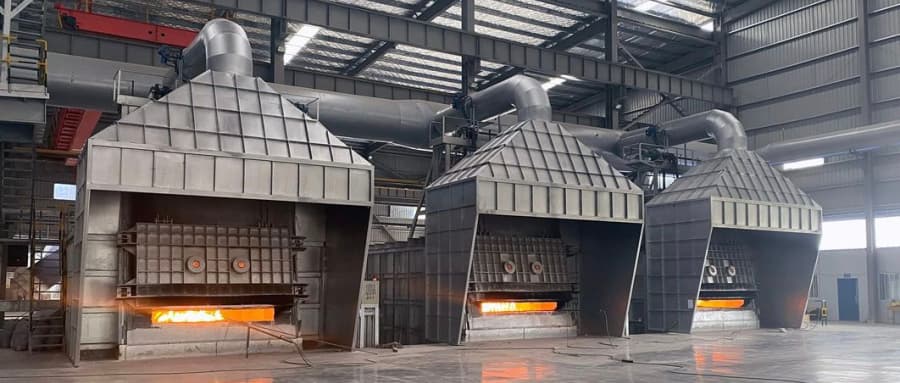
Types of Melting Furnaces Used in Aluminum Production
Different melting furnace designs serve different production requirements. The main considerations include the heating source, feedstock, melting capacity, and whether the equipment also performs a holding function.
Fuel-Fired Melting Furnaces
Fuel-fired melting furnaces use combustion to generate the heat required for aluminum melting. Natural gas is one possible fuel, depending on the furnace design and plant utilities.
Combustion control, heat distribution, insulation, and exhaust heat recovery all influence energy performance. Regenerative burner systems can recover heat from exhaust gases to preheat combustion air, improving thermal efficiency under suitable operating conditions.
Electric Melting Furnaces
Electric melting furnaces use electrical energy to heat metal. Depending on the design, they may use resistance heating or induction heating.
Electric furnaces can provide controlled heating, but their operating economics depend on electricity prices, installed power, furnace capacity, and the production cycle. Induction furnaces and resistance-heated furnaces operate differently and should not be treated as interchangeable technologies.
Aluminum Scrap Melting and Holding Furnaces
Aluminum scrap melting furnaces are used to remelt aluminum scrap for recovery and reuse. Their performance depends on scrap composition, contamination, bulk density, moisture, and the proportion of recoverable metal.
A melting and holding furnace combines the function of melting solid aluminum with maintaining molten metal at a suitable temperature for subsequent operations. This arrangement can support production scheduling and coordination with casting processes.
The aluminum scrap melting furnaces manufactured by Foshan Zhelu are specifically designed for the recycling and smelting of aluminum scrap. Typically featuring a stationary furnace design and fueled by fuel-fired or gas-fired, these units are engineered for cost-effective, continuous aluminum melting and processing. Through these furnaces, low-grade aluminum scrap can be converted into raw materials suitable for a wide range of applications, including casting, die-casting, rolling, and the production of master alloys.
Key Performance Factors of an Aluminum Melting Furnace
Melting Capacity and Production Output
Furnace capacity and actual production output are related but different measurements. Capacity describes the amount of metal a furnace can hold or process under a defined condition, while output depends on the complete operating cycle.
Charging, heating, skimming, tapping, and holding all affect production throughput. Furnace selection should therefore account for the required output per shift or day, not just the nominal capacity.
The main production variables include:
1. Aluminum feedstock type and initial condition
2. Batch size and charging frequency
3. Melting cycle and operating schedule
4. Required molten-metal output
5. Coordination with downstream casting equipment
Energy Efficiency and Heat Recovery
Energy consumption is a major operating cost in aluminum melting. Specific energy consumption provides a more useful comparison than installed power alone.
Specific energy consumption = Total energy consumed ÷ Tonnes of molten aluminum produced
For meaningful comparisons, the calculation should use consistent production conditions and clearly defined system boundaries.
Furnace insulation, burner control, air preheating, furnace-door opening time, and exhaust heat losses all influence thermal performance. Regenerative combustion systems use recovered exhaust heat to preheat incoming combustion air, reducing the energy required to maintain furnace operation.
The U.S. Department of Energy’s Process Heat Basics provides background on industrial process heating and the role of heat transfer in manufacturing operations.
Metal Recovery and Dross Formation
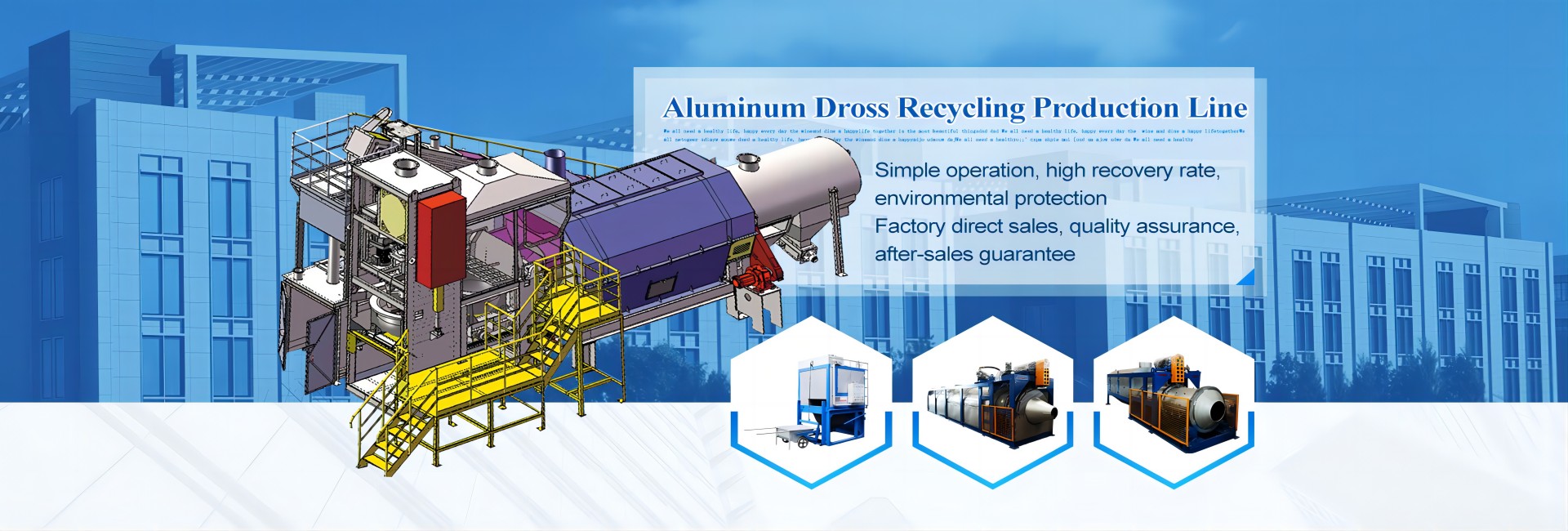
During the smelting process, aluminum undergoes oxidation, resulting in the formation of dross—a mixture containing aluminum oxide and recoverable metallic aluminum.
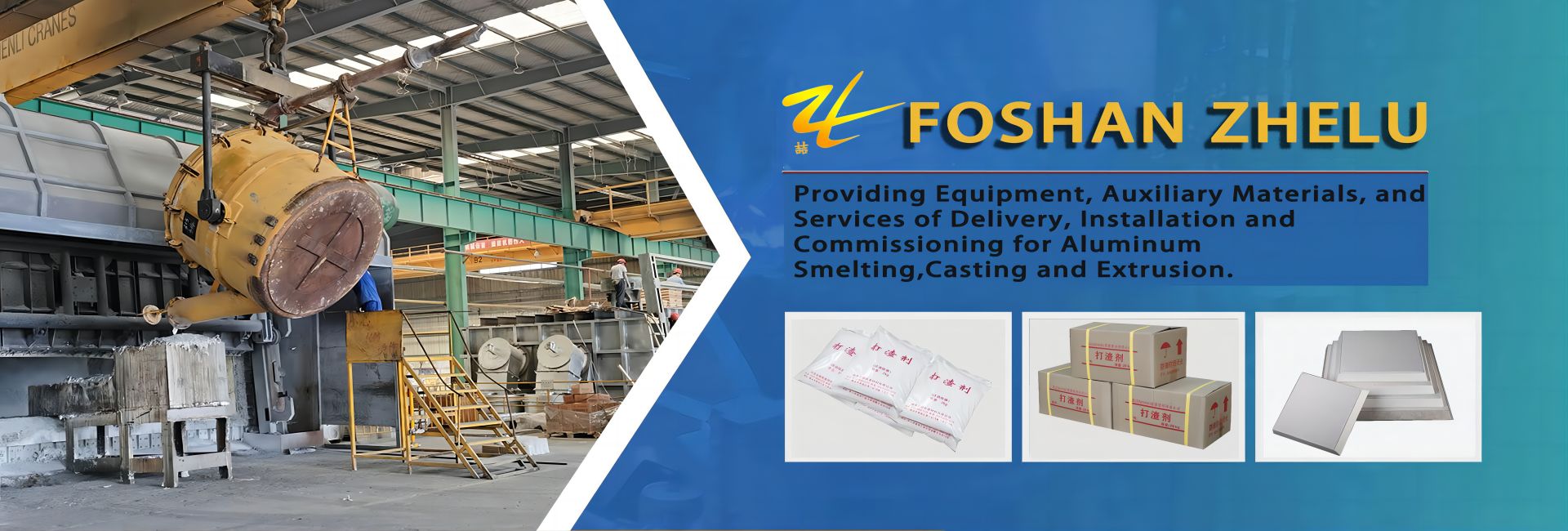
Foshan Zhelu offers aluminum drossing flux that facilitates the effective separation of metallic aluminum from oxide-rich residues. Learn how to remove aluminum dross from aluminum and find out more about the proper use of drossing flux in a melting furnace.
For hot dross removed from the furnace, an aluminum dross separator can be integrated into the recovery process to reclaim metallic aluminum. Reviewing the tutorial on the use of drossing flux in aluminum dross separators will help you better understand the process.
Temperature Control and Molten Aluminum Quality
Stable temperature control supports consistent melting and helps maintain suitable conditions for alloying, refining, and casting.
Excessive temperature can increase oxidation and energy consumption, while insufficient temperature can disrupt melting and subsequent processing. Temperature measurement, heating uniformity, furnace atmosphere, and operating procedures all contribute to process consistency.
Refractory Lining and Service Life
The refractory lining protects the furnace structure from high temperatures and contact with molten aluminum. Its composition and installation affect thermal insulation, resistance to thermal cycling, and maintenance requirements.
Non-stick aluminum castable materials may be used in suitable molten-aluminum contact areas. The lining system must also be compatible with the furnace structure, operating temperature, and service conditions.
Auxiliary Materials and Equipment in Aluminum Melting
The melting furnace operates as part of a wider production process. Refining, filtration, molten-metal transfer, and casting may require additional equipment and consumable materials.
Refining Flux and Refining Tanks
In the aluminum melting process, the refining stage helps remove dissolved hydrogen and non-metallic inclusions from the molten aluminum.
Foshan Zhelu’s aluminum refining flux effectively removes dross, inclusions, and gases from molten aluminum, significantly improving the quality of aluminum alloy products. Utilizing a refining tank allows for more efficient injection of the refining agent into the melt via a nitrogen carrier gas.
Ceramic Foam Filters
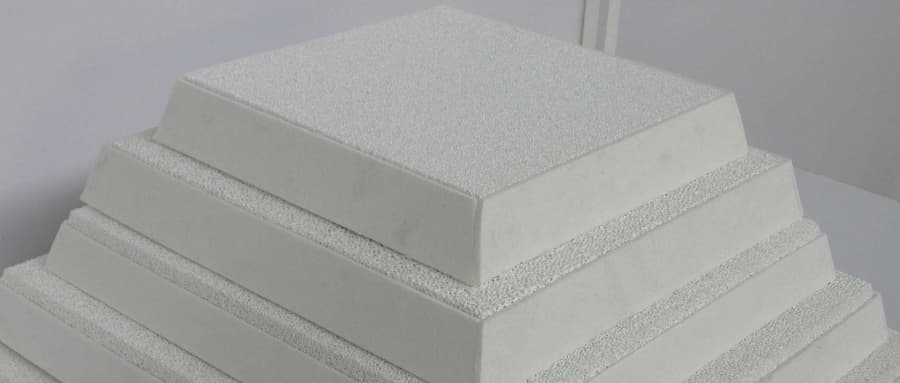
While ceramic foam filters do not perform a melting function themselves, they are a critical component of the downstream casting process. Once aluminum has been melted in a furnace, the molten metal often requires further treatment before it enters the casting stage. In casting processes that necessitate melt filtration, ceramic foam filters are positioned within the flow path of the molten aluminum to remove non-metallic inclusions before the metal enters the mold.
Ceramic foam filters supplied by Foshan Zhelu are highly effective at removing large inclusions from molten aluminum while also capturing micron-sized particles. They offer high filtration precision for a given pore size and do not generate dross, thereby minimizing contamination of the molten aluminum.
Refractory Materials for Aluminum Melting Furnaces
The refractory lining is a critical component of an aluminum melting furnace. It not only protects the furnace structure from high temperatures but also withstands contact with molten aluminum, oxide dross, and fluxes. Selecting an appropriate refractory lining helps safeguard the furnace structure and ensures the reliable operation of the melting process.
The non-stick aluminum castable offered by Foshan Zhelu is formulated using a composite of high-purity mineral raw materials and ultra-fine powders. It is suitable for use in aluminum melting furnaces, holding furnaces, launder systems, and other areas that come into contact with molten aluminum.
These auxiliary materials and equipment support different stages of aluminum production. Refining flux and refining tanks assist molten-metal treatment, ceramic foam filters help remove non-metallic inclusions during casting, and suitable refractory materials protect furnace linings and other molten-aluminum contact areas. Selecting the right solutions for each stage helps improve process reliability and maintain molten-metal quality.
Common Factors Affecting Melting Furnace Performance
Feedstock condition: Mixed scrap, coatings, oil, moisture, and other contaminants can change the melting cycle and increase process complexity.
Heat loss: Poor insulation, prolonged door opening, and inefficient combustion can increase energy consumption.
Oxidation: Excessive exposure of molten aluminum to air and unsuitable operating conditions can increase metal loss and dross formation.
Production coordination: Delays in charging, melt treatment, or casting can reduce the effective output of the overall line.
Maintenance: Refractory damage, burner problems, and poorly maintained control systems can affect operating stability and equipment availability.
Managing these factors as part of the production process helps improve consistency and supports more reliable furnace operation.
FAQ
What is a melting furnace used for?
A melting furnace converts solid metal into molten metal for further processing. In aluminum plants, common applications include ingot melting, scrap remelting, alloy production, and supplying molten aluminum for casting.
What is the difference between a melting furnace and a melting and holding furnace?
A melting furnace melts solid metal. A melting and holding furnace combines melting with the ability to maintain molten metal at a suitable temperature for subsequent operations.
What affects the energy consumption of an aluminum melting furnace?
Feedstock condition, furnace insulation, combustion efficiency, exhaust heat recovery, charging practices, operating temperature, and production scheduling can all influence energy consumption.
Why does dross form during aluminum melting?
Dross forms when aluminum reacts with oxygen and develops an oxide-rich surface residue. The amount produced depends on the material, temperature, exposure to air, and operating practices.
What auxiliary materials are used in aluminum melting and casting?
Depending on the process, plants may use refining flux, drossing flux, refractory materials, refining equipment, and ceramic foam filters. The appropriate selection depends on the alloy and the requirements of each processing stage.
Conclusion
Looking for an aluminum melting furnace for your production line? Contact Foshan Zhelu to discuss your feedstock, required capacity, fuel supply, and operating requirements.
Post time: Oct-30-2026