

Recovering metallic aluminum from high-temperature aluminum dross is essential for aluminum casting enterprises aiming to minimize metal loss and improve resource utilization. Through an appropriate process, aluminum dross separation equipment can recover entrapped metal via mechanical agitation. The addition of aluminum drossing flux further facilitates the separation of metal from the dross.
This guide explains the key steps for applying drossing flux in an aluminum dross separator, including dosage considerations, operating procedures, and factors that affect aluminum recovery.
What Is an Aluminum Dross Separator?
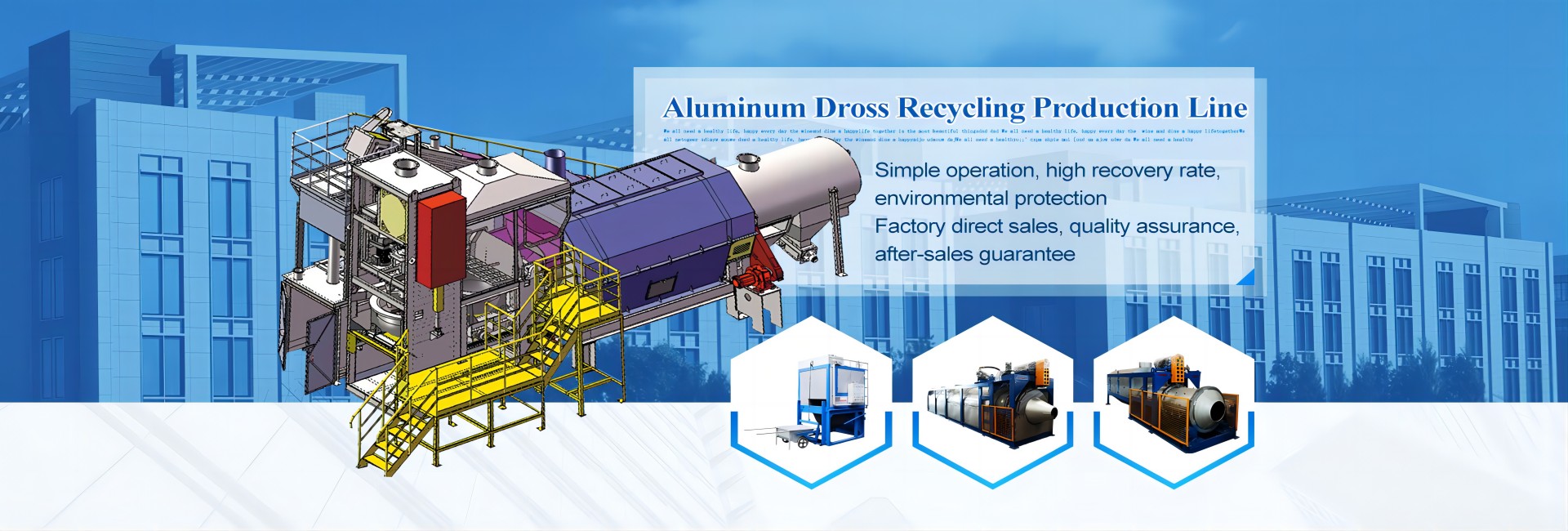
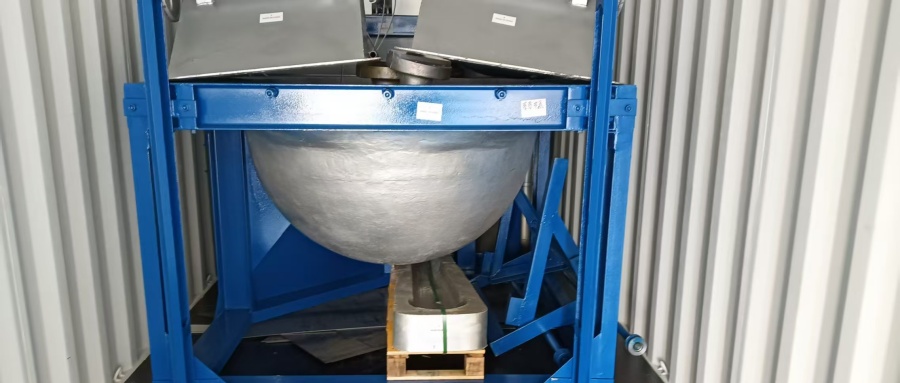
An aluminum dross separator is industrial equipment designed to separate and recover metallic aluminum from hot dross discharged from a melting furnace.
Depending on its design, the machine uses mechanical stirring to help metallic aluminum collect separately from oxide-rich residues. The recovered aluminum can then be directed to the designated collection or casting process.
When selecting a separator, aluminum foundries should consider processing capacity, material temperature, stirring mechanism, discharge arrangement, and compatibility with the intended dross treatment method.
How to Use Drossing Flux for Aluminum in an Aluminum Dross Separator
The method of aluminum dross treatment depends on whether the dross is removed from the molten metal inside a furnace or processed separately after discharge. For conventional furnace-based procedures, see our guide on how to remove dross from aluminum. The following steps focus on using drossing flux with hot aluminum dross in a separator, where the application method and dosage should follow the equipment and product specifications.
Step 1: Identify the Type and Condition of Aluminum Dross
First, identify the type and condition of the aluminum dross to be processed. Is the material hot aluminum dross, or has it already cooled? The separator discussed in this guide is designed for processing hot aluminum dross.
Hot aluminum dross and cooled aluminum dross should not be subjected to the same processing workflow.
Step 2: Check the Aluminum Dross Separator Before Operation
Before loading the material, inspect the separator and its associated systems. Check the feeding mechanism, stirring assembly, discharge outlets, drive components, and relevant operating controls. Confirm that the equipment is ready for operation and that its rated processing capacity will not be exceeded.
Also check that the designated fume extraction and dust collection systems are functioning properly.
Step 3: Determine the Appropriate Drossing Flux Dosage
The required dosage of drossing flux differs between the aluminum dross separator and the furnace itself. For the aluminum dross separator from Foshan Zhelu, the reference dosage is 3–5 kg of drossing flux per 400 kg batch of dross, subject to confirmation of the flux formulation and operating conditions.
Reading this article will provide a better understanding of the function and application of aluminum drossing flux for aluminum in various operational environments.
Step 4: Load the Hot Dross into the Separator
Transfer the hot dross into the separator using the designated feeding system. Because the condition of hot dross can change during transfer, maintain a consistent operating procedure while following all required handling precautions.
Step 5: Add Drossing Flux
Add the recommended amount of aluminum drossing flux to the hot dross according to the flux product specifications and separator operating instructions. For Foshan Zhelu’s aluminum dross separator, the drossing flux can be added either before the stirring mechanism is engaged or while it is in operation.
Step 6: Stir and Separate the Aluminum from the Dross
The mechanical action helps release metallic aluminum trapped in the hot dross and promotes the separation of aluminum from the oxide-rich residue.
As separation progresses, the recovered molten aluminum collects in the lower part of the separator, while the remaining dross is discharged through the designated ash outlets. The molten aluminum can then be collected through the designated metal outlet, following the equipment’s operating procedure.
During this process, some aluminum may burn and oxidize, generating smoke that can pollute the environment. Our aluminum dross separator is equipped with a smoke extraction system in the upper section of the vessel. Furthermore, to comply with environmental regulations in certain regions, the emission concentration can be controlled to below 50 mg/m³.
Step 7: Collection of Recovered Aluminum and Discharged Aluminum Dross
Once the aluminum-dross separation process is complete, the recovered metallic aluminum and the discharged aluminum dross can be collected as required. Following each processing batch, the weight of the recovered aluminum, the weight of the discharged aluminum dross, the amount of flux consumed, and the total processing time should be recorded. By comparing batches with similar feed conditions and operating parameters, the stability and consistency of the processing operation can be evaluated.
How Much Drossing Flux for Aluminum Should You Use?
There is no universal dosage suitable for every aluminum dross separator. The appropriate amount depends on the flux formulation, the condition of the dross, and the intended treatment process.
The main factors affecting the consumption of drossing flux include:
1. Dross composition: Different metallic aluminum and oxide contents can affect separation behavior.
2. Material condition: Fresh hot dross and cooled residues may require different treatment approaches.
3. Flux formulation: Different products have different application instructions.
4. Processing conditions: Temperature, stirring, and processing time can influence the results.
5. Equipment design: The separator’s capacity and operating method affect the treatment process.
For Foshan Zhelu’s separation equipment, the reference dosage provided for a 400 kg batch of dross should be confirmed against the specific flux product and operating conditions before use. If you require application guidance or wish to confirm whether our products meet your specific needs, please feel free to contact us to request a complimentary sample of our aluminum dross flux.
FAQ
1. Can Drossing Flux Be Used in an Aluminum Dross Separator?
Yes, the drossing flux products from Foshan Zhelu can be used not only inside the furnace but also for the high-temperature processing of aluminum dross outside the furnace.
2. How Much Drossing Flux Should Be Used per Batch?
The required quantity depends on the product specification, the type and weight of material being treated, and the approved operating procedure. Do not apply a furnace dosage directly to separator-based processing without confirmation.
3. Why Does Aluminum Dross Still Contain Metallic Aluminum After Separation?
Possible reasons include variations in feed composition, unsuitable processing conditions, insufficient separation, or equipment issues. Review the batch records and assess representative samples before changing the flux dosage or operating parameters.
4. Does Drossing Flux Recover All the Aluminum from Dross?
No. Recovery depends on the initial metallic aluminum content, the composition of the dross, the separation process, and the operating conditions. Drossing flux can help facilitate separation under suitable conditions, but it does not convert aluminum oxide back into metallic aluminum.
Conclusion
Using drossing flux for aluminum with an aluminum dross separator requires a suitable product, compatible equipment, and a verified operating procedure. Confirm the dosage and addition method before processing, then evaluate the results using actual production data.
Contact Foshan Zhelu to discuss your dross characteristics, processing capacity, and requirements for drossing flux or separation equipment.
Post time: Oct-22-2026