
Ceramic Foam Filter
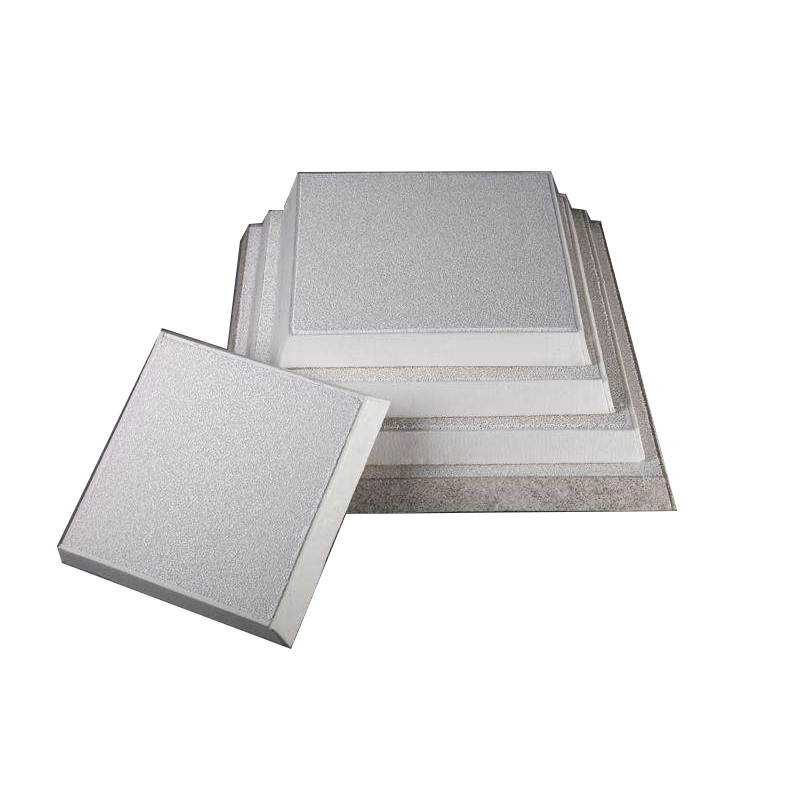
The ceramic foam filter works by adsorption. It removes large inclusions and micron-sized particles from the molten aluminum, and for a given mesh size its filtration accuracy is high. It introduces no slag, so contamination of the melt is reduced. It also has good thermal shock resistance and improved resistance to molten-metal corrosion.
1. Automatic assembly-line production with three calibration procedures.
2. Accurate size, fitting the filter box better.
3. Improves surface quality and product performance, and refines the microstructure.
4. Removes both large inclusions and fine dispersed particles, which surface skimming cannot do.
5. Standard preheat requirement of 260 °C, achievable with the gas or electric heating already fitted to most filter boxes.
| Feature | Specification |
|---|---|
| Product type | Refractory ceramic foam filter plate |
| Preheating temperature | Not lower than 260 °C |
| Preheating time | 15–30 minutes (electric or gas heating) |
| Normal initial pressure head | 100–150 mm |
| Pressure head once metal flows | Drops to 75–100 mm, then rises again as the filter loads |
| Pore density (ppi) | 20 / 30 / 40 / 50 / 60 |
Preheating to at least 260 °C does two jobs. It drives off adsorbed water, which would otherwise flash into steam in contact with molten aluminum and be dangerous. And it opens the initial pore size instantly, so the first metal through does not freeze in a cold ceramic structure and block part of the face. Skipping or shortening the preheat is the single most common cause of a filter that starts with a high head and never recovers.
Ceramic foam filters are used in any aluminum casting line where inclusion content affects the product. That means essentially all billet and slab casting, most ingot casting, and all rolled or extruded product that has a surface specification.
1. Billet casting lines ahead of a hot top billet casting machine.
2. Slab casting and rolling ingot production.
3. Alloy ingot casting system where surface finish is specified.
4. Foundry casting of wrought alloys, where inclusions cause machining and anodising defects.
Instructions for Use
1. Check and clean debris from the filter box, and keep the box clean and undamaged.
2. Check the safety of every item on the line, including furnaces, launder system, filter box and casting machine.
3. Seat the filter plate gently in the filter box and press the sealing gasket around it by hand, so metal cannot bypass or float the plate.
4. Preheat the box and plate evenly to at least 260 °C for 15–30 minutes.
5. Run metal through, watching the head drop from 100–150 mm to 75–100 mm and then climb as the filter loads.
6. After filtration, take out the filter plate in time and clean the filter box.
1. Cartons of 10, 6 or 5 pieces depending on plate size.
2. Plates individually separated to prevent edge chipping in transit.
3. 3. Stock samples are free and available.
Ceramic foam is brittle and its edges chip easily. Store cartons dry and stacked flat, carry plates by the body rather than the corners, and inspect each plate for cracks before it goes into the box — a cracked plate bypasses metal rather than filtering it. Store in a dry place, since a damp plate needs longer preheat and risks a steam blow-back.