

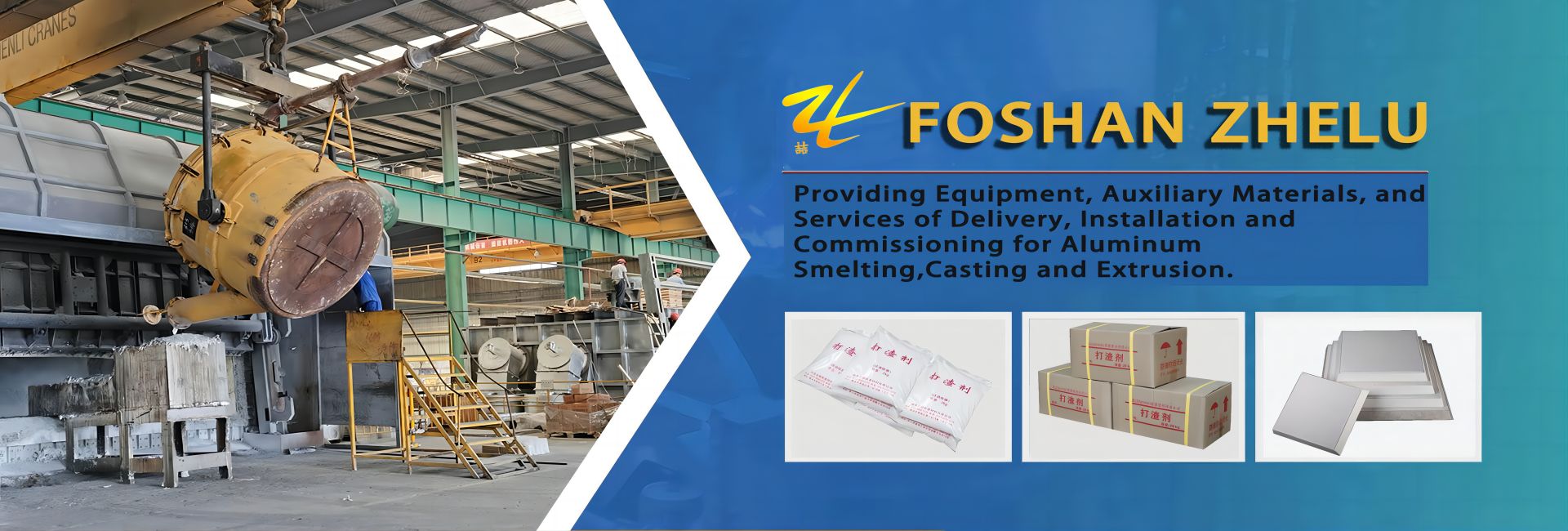
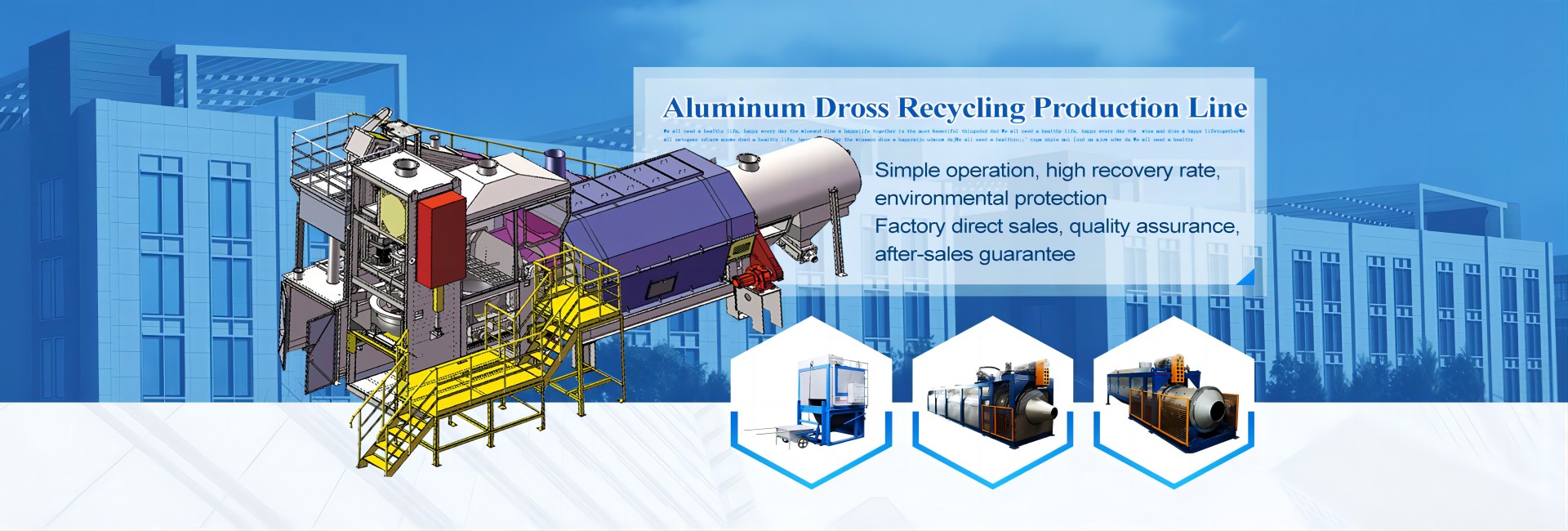

Mastering how to remove dross from aluminum is a key strategy for minimizing aluminum loss during the melting process. The oxidation of aluminum is unavoidable when the metal is in a molten state; consequently, the melting or refining of aluminum and its alloys in a furnace generates significant amounts of dross. This dross tends to aggregate into clumps that trap large quantities of molten aluminum, making the removal process particularly difficult.
This guide provides step-by-step instructions on how to remove dross from an aluminum melting furnace.
What Is Aluminum Dross and Why Remove It?
Aluminum dross refers to the contaminants that form on the surface of aluminum metal following its reaction with oxygen. This dross is not composed solely of aluminum oxide; it may also contain metallic aluminum and various other oxidation products.
Reasons why dross must be removed:
1. When a layer of dross becomes too thick, it slows down the melting process. The dross layer acts as a thermal insulator, requiring more energy to maintain the temperature of the molten aluminum.
2. The presence of dross reduces the purity of the molten aluminum, as the oxides it contains can find their way into the final castings.
3. Ongoing oxidation reactions lead to an ever-increasing loss of metallic aluminum.
When Should You Remove Dross from Aluminum?
As mentioned earlier, an excessively thick layer of dross acts as an insulator. To avoid unnecessary costs, this layer should be cleared promptly once it exceeds a certain thickness.
Regular cleaning is also an essential step, as it effectively minimizes the accumulation of dross. Failure to remove dross from the surface of the melt in a timely manner will result in greater loss of aluminum metal.
How to Remove Dross from Aluminum: Step by Step
When using a drossing flux in a furnace, follow the steps below:
1. Preheat all tools and ensure they are completely dry. Damp tools can alter the melt temperature and cause molten metal to splash.
2. Check the melt temperature. High temperatures accelerate oxidation; therefore, ensure the temperature remains within the standard operating range.
3. Remove large pieces of dross. Skimming off large chunks of dross before adding the drossing flux facilitates subsequent steps.
4. Apply the drossing flux. Distribute the flux evenly across the surface of the melt. Do not concentrate the material in a single spot by increasing the dosage.
5. Stir gently. Stirring ensures the drossing flux is thoroughly mixed with the dross. Use a gentle motion; vigorous stirring can lead to the formation of additional dross.
6. Allow to rest. After stirring, let the melt sit for a period to allow the reaction to take place, which helps loosen the dross.
7. Skim the dross. When skimming, tilt the tool appropriately to allow any trapped molten aluminum to drain back into the melt.
8. Handle safely. Place the removed dross into a designated, dry container, ensuring it is kept away from water sources and damp surfaces.
After the dross removal process is complete, examine the removed dross:
1. A good result: The dross appears loose and lacks a metallic luster, indicating that most of the metal has drained back into the furnace.
2. A poor result: The dross appears viscous and exhibits a metallic luster, indicating that it still contains a significant amount of aluminum. It is necessary to check the distribution of the flux, ensure the reaction time is sufficient, and review the intensity of the stirring.
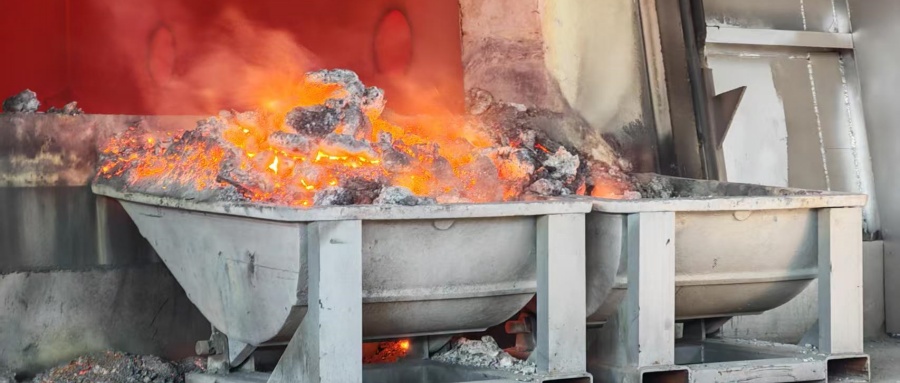
Using Drossing Flux to Remove Dross from Aluminum
Drossing flux can effectively reduce aluminum loss during the melting process, improve metal quality, and enhance the overall efficiency of aluminum production.
However, it also helps that it does not reduce aluminum oxide back into metallic aluminum. Instead, it alters the state of the dross, making it looser and easier to skim off. Furthermore, it also helps the separation of metallic aluminum trapped within the dross, allowing it to flow back into the molten aluminum bath.
For a deeper understanding of the mechanisms involved, please refer to our guide on how drossing flux works.
Aluminum drossing flux can be used either inside the melting furnace or for the treatment of dross removed from the furnace:
1. In-furnace use: Depending on the specific requirements for melting and alloying, the typical dosage ranges from 0.1% to 0.3% of the molten aluminum’s weight.
2. Ex-furnace treatment: Drossing flux can be applied to dross removed from the furnace to effectively separate the entrained aluminum from the dross.
Testing of our products has shown that the use of a drossing flux results in a looser dross structure, which significantly convert the loss of molten aluminum—specifically by 0.3 to 0.5 kilograms per metric ton of molten aluminum.
Common Mistakes and Safety Tips
Common mistakes:
1. Excessively vigorous stirring, which draws oxides into the melt.
2. Overuse of flux—this increases costs without providing any additional benefit.
3. Allowing the dross layer to accumulate to an excessive thickness before skimming.
4. Using tools that have not been preheated for skimming, which causes the melt temperature to drop.
Safety tips:
1. Keep all tools dry. Moisture can easily cause violent splashing.
2. Ensure that flux is kept in sealed containers and stored in a dry location.
3. Do not store dross near water or in damp environments.
4. Be alert to “thermite-like” reactions. High-temperature dross may continue to burn due to its own exothermic nature; it should be removed promptly before it becomes overheated.
5. Protective equipment: Face shield, heat-resistant gloves, apron, and safety footwear.
FAQ
How do you remove dross from molten aluminum?
Evenly sprinkle a dross flux over the surface and stir gently; then use a dry, preheated tool to skim the dross off the surface of the melt.
Is it possible to remove aluminum dross without using a drossing flux?
While it is possible to skim off the dross, this process often removes a significant amount of metallic aluminum along with it, resulting in unnecessary waste.
Why does the skimmed aluminum dross exhibit a metallic luster?
This typically occurs due to improper drossing procedures—such as uneven application of the drossing flux, insufficient reaction time, or excessive agitation during the process.
How much drossing flux is required per ton of molten aluminum?
For drossing flux supplied by Foshan Zhelu, the recommended dosage is 1–3 kg per ton of molten aluminum.
How should the skimmed dross be handled?
Since the dross still contains metallic aluminum, it can be processed for further recovery. Dross in a high-temperature state can be treated using a drossing flux or specialized dross-metal separation equipment; once cooled, the dross can be processed through crushing and screening to recover the metal.
Conclusion
The purpose of using drossing flux is not to completely eliminate dross formation, but rather to minimize aluminum loss. If you wish to reduce aluminum loss and streamline the dross removal process, contact Foshan Zhelu to request free samples of aluminum drossing flux for testing in your actual melting furnaces.
Post time: Oct-15-2026