
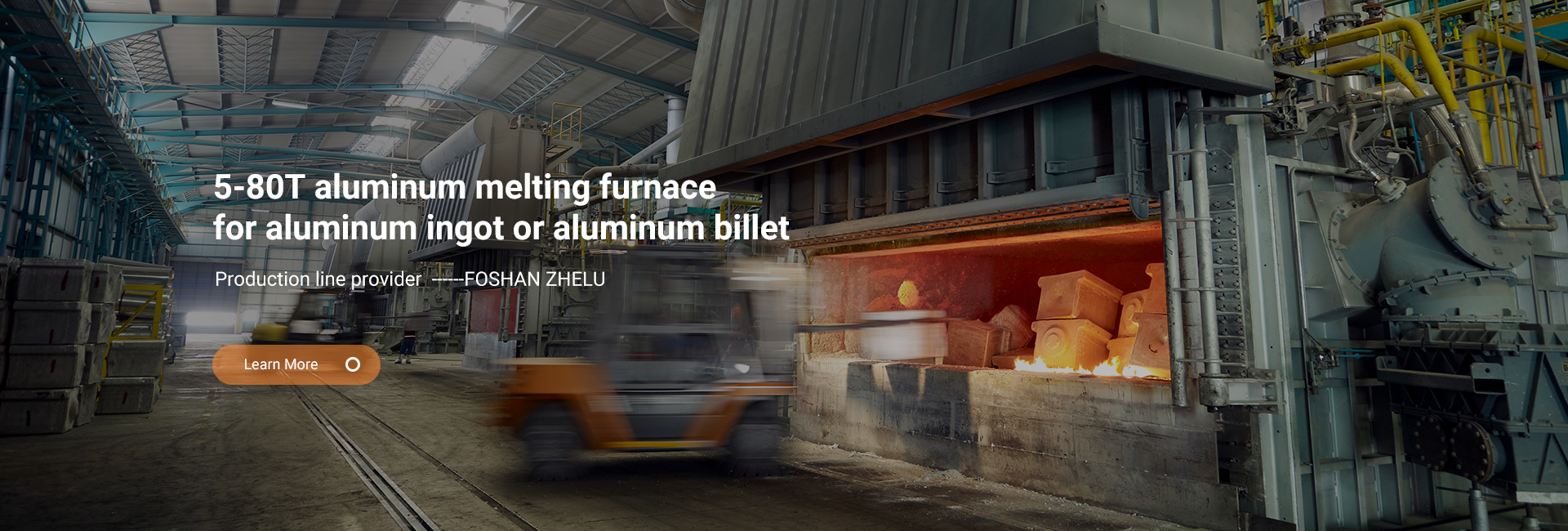
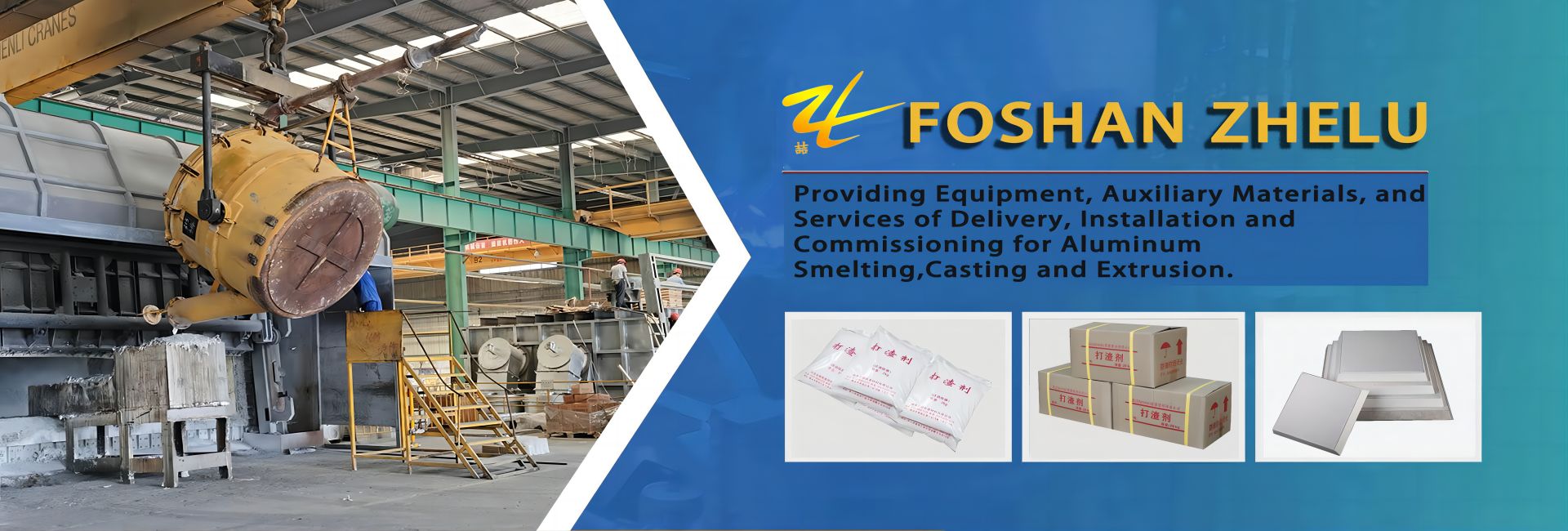
The aluminum billet casting process transforms molten aluminum alloy into solid billets through controlled metal distribution, mould filling, cooling, and solidification. Hot top billet casting machines play an important role in this process by supporting stable metal feeding and billet formation.
This article explains how hot top casting systems work, their main components, and the factors that influence billet quality.
What Is Aluminum Billet Casting?
Aluminum billet casting is the process of converting molten aluminum or aluminum alloy into solid billets with specified dimensions and shapes.
These billets are commonly used as raw materials for aluminum extrusion and forging. Their surface condition, internal structure, and chemical composition can affect subsequent manufacturing operations.
Direct Chill (DC) casting is an established method for producing aluminum billets. Hot top casting uses a specialised mould and metal-feeding arrangement to control the delivery of molten aluminum during casting.
The appropriate casting method depends on billet dimensions, alloy composition, production capacity, and the required product quality. An overview of casting processes provided by the International Aluminum Institute can help you gain background information on the aluminum production and casting industry.
Overview of the Aluminum Billet Casting Process
A typical aluminum billet casting line includes several stages:
1. Melting and alloy preparation: Aluminum ingots and alloying materials are melted and adjusted to the required composition.
2. Melt treatment: The molten metal is treated to reduce hydrogen and remove non-metallic inclusions.
3. Filtration: Ceramic foam filters help remove inclusions before the metal enters the casting system.
4. Metal distribution: Molten aluminum flows through the launder and distribution system towards the moulds.
5. Billet casting: The hot top casting machine controls mould filling and the formation of billets.
6. Cooling and solidification: The molten metal cools and solidifies into the required billet shape.
7. Cutting and homogenisation: The billets are cut to length and heat-treated where required.
The hot top billet casting machine is mainly involved in metal distribution, mould filling, and billet formation. Its configuration and operating stability influence the consistency of the casting process.
The melting stage also affects the quality of the final billets. For more information about furnace selection and its role in aluminum production, see this guide to choosing an aluminum melting furnace.
What Is a Hot Top Billet Casting Machine?
A hot top billet casting machine is designed to cast molten aluminium into billets through a hot top mould arrangement.
During operation, molten aluminum flows from the distribution launder into the moulds. The casting system supports controlled metal feeding, mould positioning, cooling, and the movement of the solidifying billets.
A typical machine may include:
1. Casting table and supporting frame
2. Billet moulds or crystallisers
3. Pulling and lifting mechanism
4. Hydraulic or mechanical driving system
5. Distribution launder
6. Graphite rings and mould accessories
7. Cooling water system
Foshan Zhelu’s hot top billet casting machine system is designed for aluminum billet casting applications. Its configuration can be selected according to billet specifications, mould quantity, and production requirements.
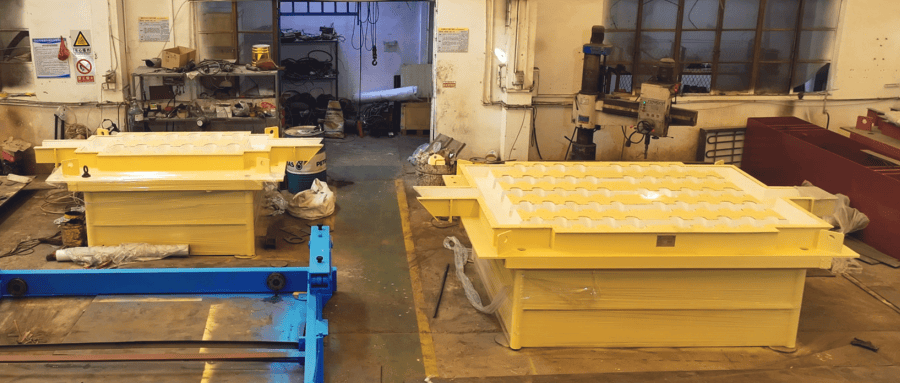
Main Components of a Hot Top Billet Casting Machine
Each component contributes to the stability and performance of the casting system.
Casting Table and Supporting Frame
The casting table supports the moulds and related equipment during operation. Its structure must provide sufficient stability and maintain correct alignment throughout the casting cycle.
Billet Moulds or Crystallisers
The crystalliser defines the billet shape and provides the initial conditions for heat transfer and solidification.
Its internal dimensions, surface condition, installation accuracy, and cooling arrangement can all affect billet formation. Moulds should be inspected regularly to identify wear, damage, or contamination.
The role of crystallisers in hot top casting is closely related to mould performance and the stability of the casting process.
Pulling and Lifting Mechanism
The pulling and lifting mechanism controls the movement of the casting system during operation. Depending on the machine design, it may include hydraulic components, wire ropes, guide rollers, and a lifting structure.
Smooth movement and correct alignment help maintain stable casting conditions. Regular inspection of the hydraulic system and mechanical components is therefore important.
Distribution Launder
The distribution launder transfers molten aluminum to the mould positions. It should provide consistent metal flow to support uniform mould filling.
The launder material must withstand high temperatures and contact with molten aluminum. Refractory materials are commonly used in aluminum casting applications.
Graphite Rings and Accessories
Graphite rings and related accessories support the mould arrangement and metal-flow conditions. Their dimensions, installation, and surface condition should be checked before casting.
Damaged or incorrectly installed accessories may contribute to metal leakage or unstable casting conditions.
How Does a Hot Top Billet Casting Machine Work?
The operating process involves preparing the equipment, transferring molten aluminum, filling the moulds, and controlling cooling and solidification.
Step 1: Prepare the Casting System
Before casting, inspect the moulds, distribution launder, graphite rings, and related components. The casting table should be level, and the moulds must be correctly installed.
The cooling water supply and pulling mechanism should also be checked according to the equipment’s operating procedure.
Step 2: Prepare and Treat Molten Aluminium
The molten aluminum is prepared in the melting or holding furnace. Its chemical composition and melt condition should meet the requirements of the intended alloy.
Melt treatment and filtration are carried out before the metal enters the casting machine. These operations help reduce hydrogen and non-metallic inclusions.
A ceramic foam filter for molten aluminum can be used to remove non-metallic inclusions before casting.
Step 3: Transfer Metal Through the Distribution System
The treated molten aluminum flows through the launder and into the distribution system. The distribution launder then directs the metal towards the mould positions.
Consistent metal flow and a stable metal level help maintain uniform mould filling. The condition and layout of the launder should therefore be checked regularly.
Step 4: Fill the Moulds and Start Casting
Molten aluminum enters the hot top moulds and begins to solidify. The pulling and lifting mechanism operates according to the machine’s casting sequence, moving the casting platform as required during billet formation.
Casting speed, metal temperature, mould condition, and cooling water supply must work together. Operating parameters should be determined according to the alloy, billet diameter, and machine configuration.
Step 5: Cool and Solidify the Billets
As the molten aluminum enters the moulds, heat is transferred through the mould and cooling system. A solidified billet shell forms and develops as casting continues.
After solidification, the billets are removed according to the equipment’s operating procedure and transferred for cutting and inspection.
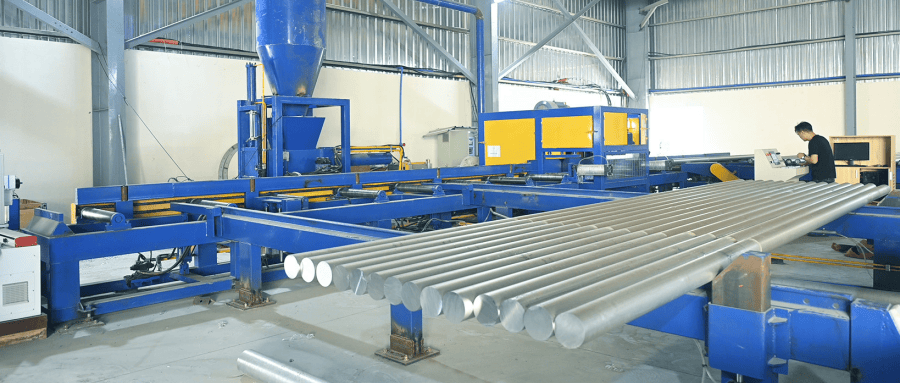
Factors Affecting Aluminum Billet Casting Quality
The quality of aluminum billets depends on both molten metal conditions and casting equipment performance.
Molten Metal Quality
Hydrogen and non-metallic inclusions can affect the internal quality of billets. Appropriate melt treatment and filtration help reduce these problems before casting.
Alloy Composition and Grain Refinement
The chemical composition must meet the requirements of the specified aluminum alloy. Grain refinement is also important in many billet production processes.
Al-Ti-B grain refiners are commonly used to promote a finer grain structure in aluminum alloys. Learn more about Al-Ti-B additives for grain refinement.
Metal Flow and Casting Speed
Uneven metal distribution or an unstable metal level can affect mould filling. Casting speed must also be coordinated with the metal temperature, billet dimensions, and cooling capacity.
Cooling Conditions
Uneven or insufficient cooling may contribute to surface irregularities and cracking. Cooling water flow and distribution should remain within the operating requirements of the casting equipment.
Mould Condition and Equipment Alignment
Worn moulds, damaged accessories, or incorrect alignment can affect billet formation. Routine inspection of the casting table, moulds, pulling mechanism, and hydraulic system helps maintain stable operation.
Common Aluminum Billet Casting Defects
Casting defects may originate from melt quality, metal flow, mould condition, cooling, or operating instability.
| Defect | Possible contributing factors |
|---|---|
| Surface cracks | Unstable cooling, unsuitable casting speed, or thermal stress |
| Surface marks | Mould damage, contamination, or unstable metal flow |
| Porosity | Hydrogen in the molten metal or gas-related problems |
| Non-metallic inclusions | Insufficient melt treatment or filtration |
| Billet eccentricity | Mould misalignment or unstable casting conditions |
| Uneven surface | Inconsistent cooling or mould condition |
Hot Top Casting vs. Conventional Billet Casting Systems
Hot top casting is commonly used in direct chill (DC) casting of aluminium billets. Rather than being a completely separate casting method, it refers to a specific mould and molten metal feeding arrangement used within the DC casting process.
Compared with conventional open-mould casting arrangements, a hot top system uses an insulated feeding area above the mould to help maintain a stable supply of molten aluminium during casting. The main differences are related to metal feeding, metal level control, mould configuration, and equipment arrangement.
| Comparison Aspect | Hot Top Casting System | Conventional Open-Mould Casting Arrangement |
|---|---|---|
| Molten Metal Feeding | Molten aluminum is supplied through a distribution system into the hot top area above the mould. | Molten aluminum is fed directly into the open mould or through a conventional feeding arrangement. |
| Metal Level Control | The hot top feeding area helps maintain a more consistent metal supply and level during casting. | Metal level is controlled through the feeding rate and casting operation. |
| Mould Configuration | Uses a hot top assembly positioned above the mould, typically incorporating insulating or refractory materials. | Uses a conventional open-mould configuration without the same hot top feeding assembly. |
| Casting Operation | The feeding system and casting parameters are coordinated to support continuous billet formation. | Casting operation depends on the mould design, metal feeding arrangement, and control system. |
| Equipment Arrangement | Typically includes a distribution launder, hot top components, moulds, and a casting table. | Equipment configuration varies according to the casting machine and feeding method. |
Frequently Asked Questions
1. What is the aluminum billet casting process?
It is the process of converting molten aluminum alloy into solid billets through metal distribution, mould filling, cooling, and solidification.
2. What is a hot top billet casting machine?
It is a machine used to cast molten aluminum into billets through a hot top mould arrangement. Its main components typically include a casting table, moulds, a pulling mechanism, and metal-distribution components.
3. What is the function of a crystalliser?
A crystalliser defines the billet shape and provides the initial conditions for heat transfer and solidification.
4. Why is filtration important in billet casting?
Filtration helps remove non-metallic inclusions from molten aluminum before casting, supporting better billet cleanliness and consistency.
5. What factors affect aluminum billet quality?
Important factors include alloy composition, melt quality, filtration, metal flow, casting speed, cooling conditions, mould condition, and equipment alignment.
Conclusion
The aluminum billet casting process requires coordinated control of molten metal quality, filtration, metal distribution, mould filling, and cooling. A hot top billet casting machine provides the equipment structure for controlled mould filling and billet formation.
Stable production depends on the compatibility of the casting machine, crystallisers, distribution launder, and cooling system. Proper equipment selection, operating control, and routine maintenance all contribute to consistent billet quality.
For more information about hot top billet casting equipment and available configurations, Contact Foshan Zhelu to discuss your production requirements.
Post time: Nov-10-2026