
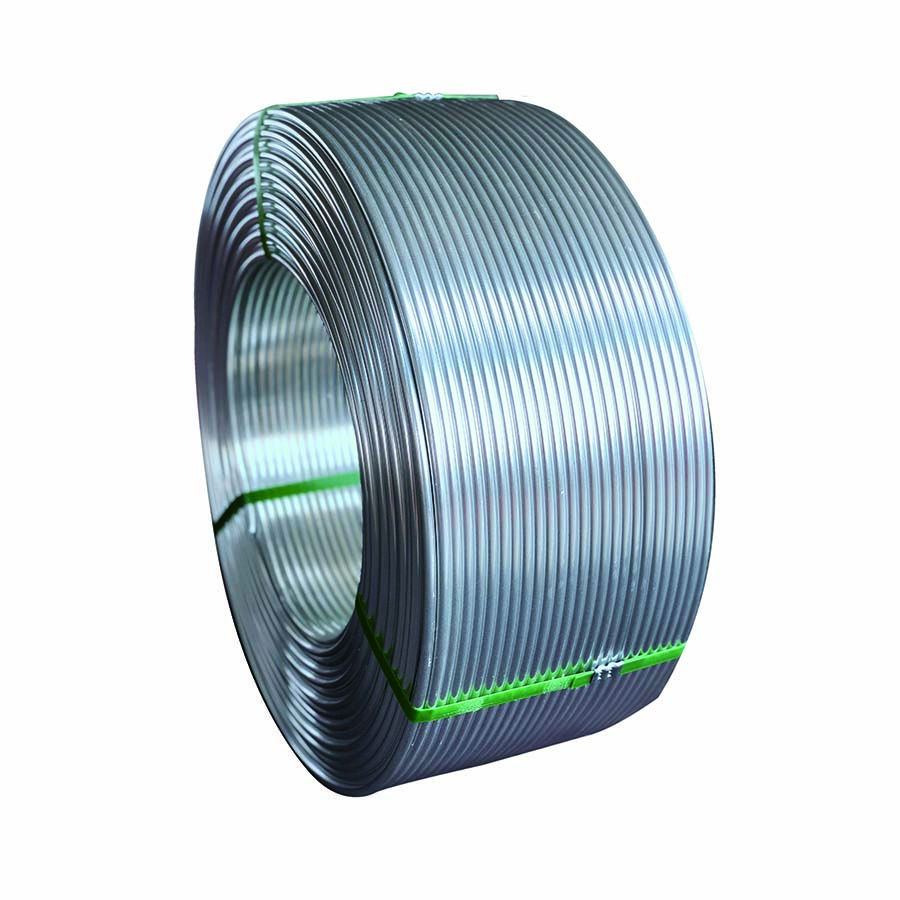
Aluminum Titanium Boron Wire
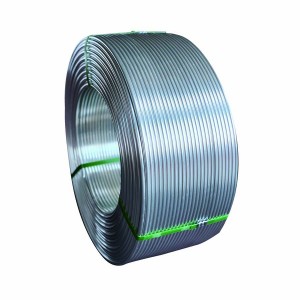
It is used outside the furnace. As the molten aluminum flows, feed the wire into the launder through the feeder. When the aluminum water is released, directly insert the aluminum-titanium-boron wire into the aluminum water tank through the feeder to melt and refine, and ensure that the aluminum-titanium-boron wire and the aluminum water are in contact for more than 1 minute (preferably 2- 10 minutes). The dosage is generally 0.8–1.3 kg per tonne of aluminum (wire diameter 9.5 mm; linear weight 0.192 kg/m).
1. Continuous dosing, so grain structure stays constant across a whole campaign.
2. Fed automatically by a titanium boron wire feeder — no manual addition and no furnace opening.
3. Known weight per metre, so the feed rate is set directly from the metal throughput.
4. Suits long billet and slab casts where batch addition would fade.
5. Reduces the scrap rate and improves the surface quality, uniformity and brightness of profiles.
6. Easy to add, with no loss of titanium or boron.
| Feature | Specification |
|---|---|
| Product type | aluminum titanium boron wire for billet casting |
| Nominal composition | 5% Ti, 1% B |
| Wire diameter | Approximately 9.5 mm |
| Linear weight | 0.192 kg per metre |
| Coil weight | Approximately 100 kg per roll (170 kg available) |
| Reference dosage | 0.8–1.3 kg per tonne of aluminum |
| Minimum feeding time | More than 1 minute; preferably 2–10 minutes |
| Feed method | Automatic wire feeder into the molten metal stream |
Aluminum titanium boron wire is used on continuous and semi-continuous casting lines where grain structure has to be consistent over a long cast. It is widely used in aluminum castings, aluminum profiles, aluminum cables, aluminum foil and other industries.
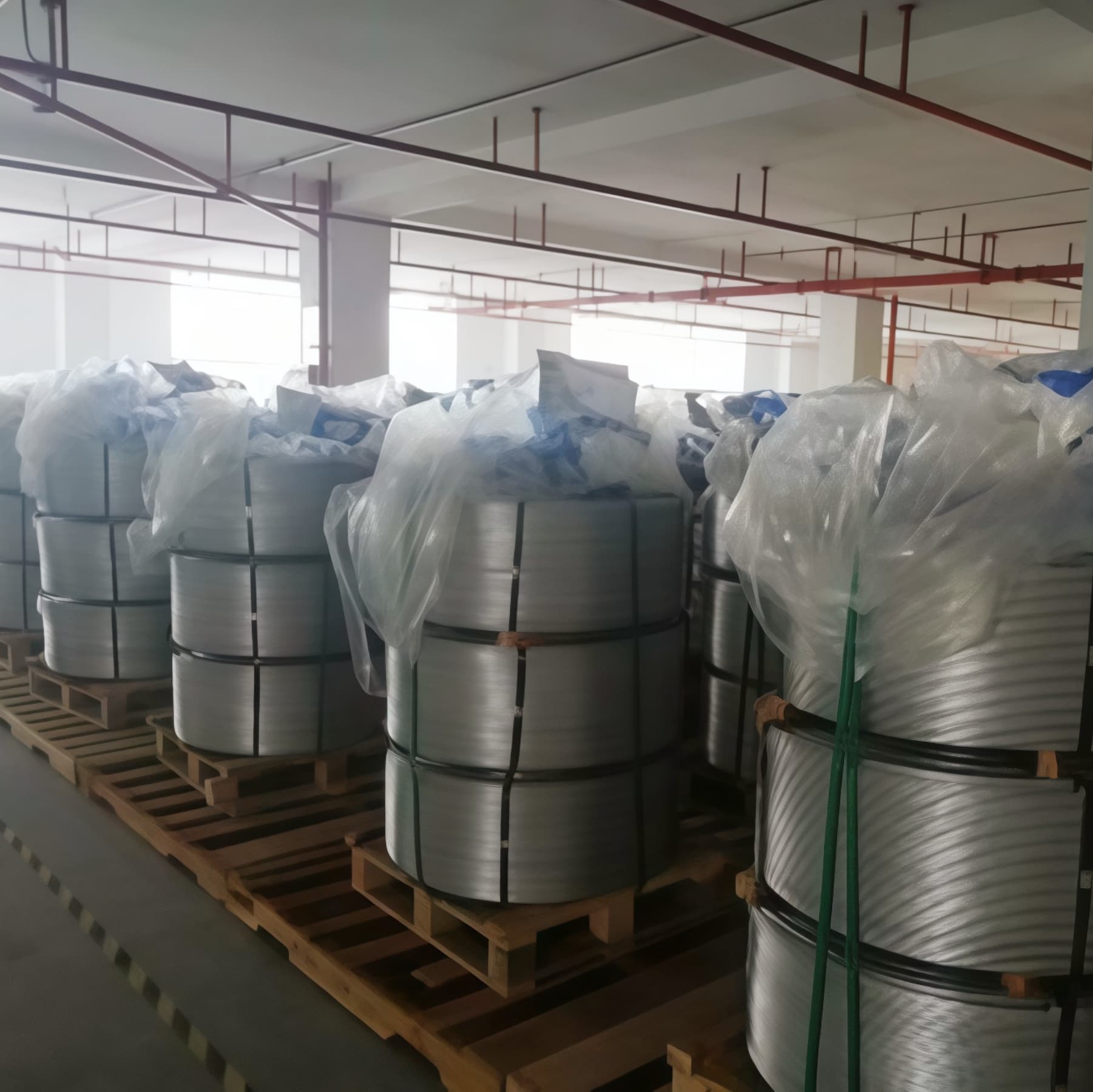
1. Coils of approximately 100 kg, with 170 kg coils available.
2. Coils wrapped and palletised to prevent damage in transit and to feed directly from the pallet.
Store coils dry and indoors. A coil that has been standing in damp conditions will carry surface moisture into the melt, so keep the wrap intact until the coil is loaded onto the feeder. Wire should feed without kinks — a kinked coil will jam the feeder and interrupt dosing mid-cast.