
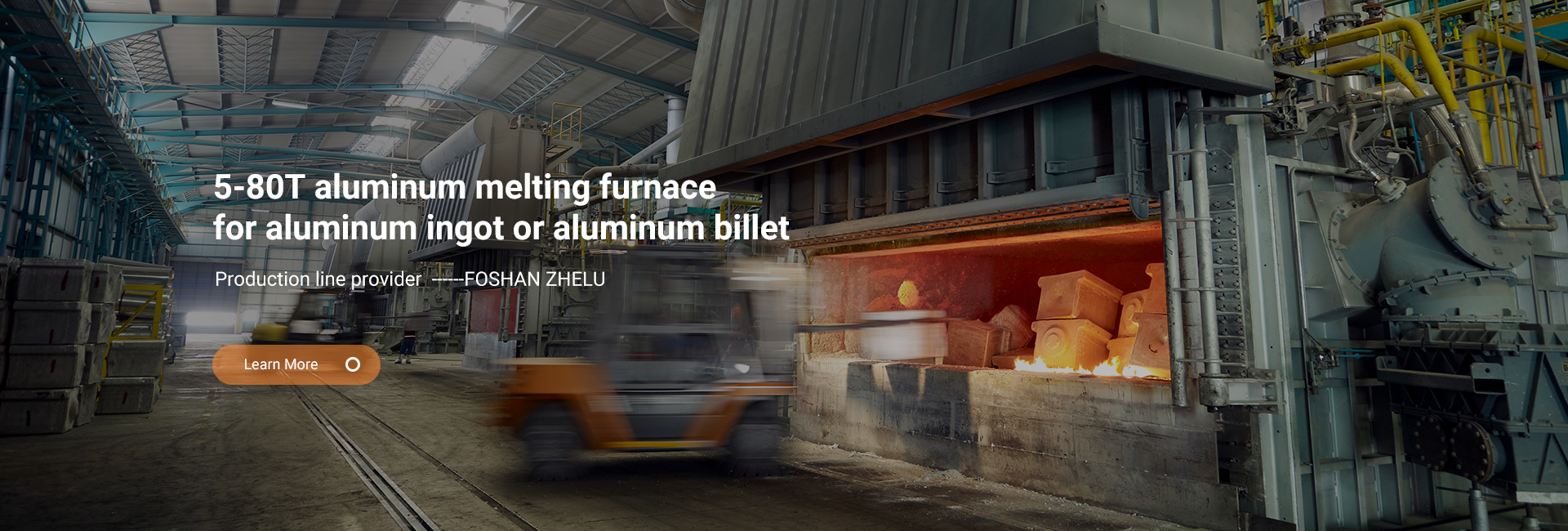

Aluminum melting furnaces convert solid aluminum into molten metal for casting, die casting, billet production, and recycling. Common types include crucible, reverberatory, induction, and tower furnaces, each offering different advantages in capacity, energy efficiency, and material handling.
For buyers evaluating an aluminum melting and holding furnace factory, understanding these furnace types helps identify the right aluminum melting furnace for their production requirements.
Crucible Melting Furnace
A crucible furnace melts aluminum inside a refractory or ceramic container. Heat is supplied by gas burners or electric heating elements surrounding the crucible and transferred through its walls to the metal.
Main Features:
- Batch operation: Suitable for small production batches and frequent alloy changes.
- Flexible installation: Available in stationary and tilting configurations, with gas-fired and electric heating options.
- Compact design: Requires less floor space than large industrial melting systems.
- Limited capacity: The crucible size and heating rate restrict production output.
Crucible furnaces are widely used in small and medium-sized foundries, die casting workshops, and production facilities that require flexible melting operations. They are suitable for melting clean aluminum ingots and prepared returns, provided that the charge size and material condition are compatible with the furnace design.
Reverberatory Melting Furnace
A reverberatory furnace uses burners to heat aluminum inside a refractory-lined chamber. Heat is transferred mainly through radiation from the furnace roof and walls, along with convection from the hot combustion gases.
It is widely used in aluminum foundries and recycling plants that require larger melting capacities.
Main Features:
- High melting capacity: Suitable for industrial production and continuous or semi-continuous operations.
- Flexible charging: Can process aluminum ingots, sows, T-bars, and suitable scrap materials.
- Multiple configurations: Available in stationary, tilting, wet-hearth, and dry-hearth designs.
- Industrial integration: Can supply molten aluminum to separate holding furnaces and downstream casting lines.
Reverberatory furnaces generally have two common charging configurations:
Wet Hearth Furnace: Solid aluminum is charged directly into the molten metal bath. This arrangement supports fast melting and can accommodate suitable bulky charge materials.
Dry Hearth Furnace: Solid aluminum is placed on a separate sloped hearth above the molten bath. The charge is heated gradually, and the melted aluminum flows into the main bath. This arrangement helps reduce direct contact between unmelted scrap and the molten metal.
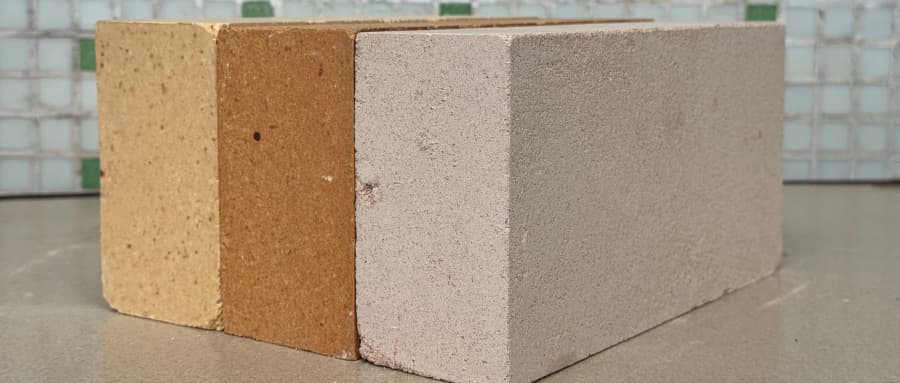
The furnace lining is also important for long-term performance. High-quality refractory bricks help protect the furnace structure from high temperatures, thermal cycling, and molten aluminum exposure.
Reverberatory furnaces are suitable for aluminum plants requiring high output, larger melting capacity, and flexible material handling.
Induction Melting Furnace
An induction furnace uses electromagnetic induction to generate heat directly inside the aluminum. An alternating current passes through a water-cooled copper coil, creating a magnetic field that induces electrical currents in the metal.
This heating method does not require direct flame contact with the aluminum.
Main Features:
- Clean heating process: No combustion gases are generated by the heating process itself.
- Temperature control: Supports accurate temperature regulation and consistent melting conditions.
- Electromagnetic stirring: Can promote molten metal circulation and help improve temperature and composition uniformity, depending on furnace design and operating conditions.
- Electric power supply: Requires suitable electrical infrastructure and cooling systems.
Induction furnaces are commonly used in foundries and aluminum processing facilities that prioritize temperature control, metal quality, and flexible production.
However, the quality and condition of the charging material remain important. Wet, oily, or heavily contaminated scrap requires appropriate preparation before melting. Induction melting also does not replace separate degassing, refining, or filtration processes when these treatments are required.
Tower Melting Furnace
A tower furnace, also known as a stack melting furnace, uses a vertical preheating shaft connected to a melting chamber.
Aluminum charge materials enter through the top of the shaft and gradually move downward. Hot exhaust gases from the melting chamber travel upward through the shaft, preheating the incoming materials before they reach the melting zone.
This process is an example of industrial waste heat recovery, as heat from exhaust gases is reused to improve the overall thermal efficiency of the melting process.
A stack furnace is a modified reverberatory furnace with a vertical charging shaft for material preheating.
Main Features:
- Heat recovery: Uses exhaust gas to preheat incoming aluminum, improving overall thermal efficiency.
- Continuous operation: Suitable for production lines with stable and consistent aluminum demand.
- High productivity: Can support centralized melting systems supplying multiple casting machines.
- Material requirements: Charge size, shape, and density must allow materials to move smoothly through the shaft.
Tower furnaces are particularly suitable for aluminum plants processing prepared scrap, thin aluminum returns, and other compatible charge materials. Large ingots and bulky materials may require alternative charging arrangements.
Their installation also requires sufficient building height, suitable charging access, and properly designed exhaust gas treatment systems. A suitable dust collection system for aluminum melting furnaces is important for controlling dust and fumes generated during melting and material handling.
Aluminum Melting Furnace vs. Holding Furnace
Melting and holding are two different operations in aluminum production.
A melting furnace converts solid aluminum into molten metal. Its heating system must provide sufficient energy to raise the material to the required melting temperature within the production cycle.
A holding furnace maintains molten aluminum at a stable temperature before casting or further processing. It is designed primarily to compensate for heat loss rather than melt large quantities of solid material.
Depending on production requirements, aluminum melting and holding furnaces can be configured in three ways:
- Integrated melting and holding furnace: Combines melting and holding functions in one furnace system.
- Separate melting and holding furnaces: A melting furnace supplies molten aluminum to an independent holding furnace through a transfer system or launder.
- Machine-side holding furnace: A holding unit is installed close to the casting machine to maintain a stable molten metal supply.
The appropriate arrangement depends on melting capacity, casting demand, transfer distance, production schedule, and temperature requirements.
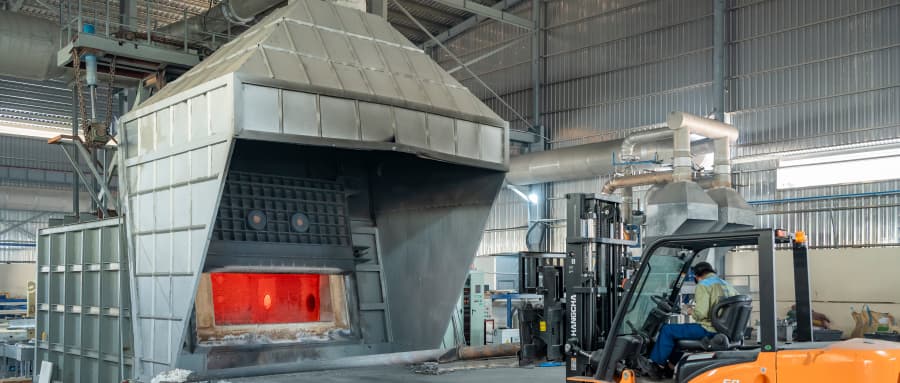
How to Choose the Right Aluminum Melting Furnace
Selecting an aluminum melting furnace requires more than comparing nominal capacity or purchase prices. The following factors should be considered:
1. Production Capacity
Calculate the actual hourly aluminum demand, including peak production requirements. The furnace must provide sufficient melting output and recovery capacity to support the casting line. For more detailed guidance, see how to size a melting furnace for your casting line.
2. Raw Material Type
Consider whether the furnace will process aluminum ingots, sows, T-bars, clean returns, chips, or scrap. Different furnace designs have different requirements for charge size, density, and material condition.
3. Energy Source and Consumption
Compare available natural gas, LPG, diesel, and electricity supplies. Evaluate energy consumption per tonne of aluminum melted under comparable operating conditions.
4. Metal Recovery
Oxidation, dross formation, and metal handling affect the amount of usable aluminum recovered. Furnace design, charging methods, operating temperature, and holding time all influence metal yield.
5. Temperature Control
Stable molten aluminum temperature is important for casting quality. Consider temperature measurement, automatic control systems, and the requirements of downstream production equipment.
6. Factory Layout and Integration
Check installation space, charging access, exhaust systems, transfer routes, and the connection between melting, holding, refining, and casting equipment.
What to Consider When Choosing an Aluminum Melting and Holding Furnace Factory
When evaluating an aluminum melting and holding furnace factory, buyers should look beyond product specifications and consider the manufacturer’s engineering and production capabilities.
Key factors include:
- Manufacturing capability: Check whether the factory has its own fabrication, welding, machining, refractory installation, and equipment assembly capabilities.
- Customized furnace design: The manufacturer should be able to configure furnace capacity, heating methods, charging systems, and holding arrangements according to production requirements.
- Technical specifications: Request detailed information about melting capacity, energy consumption, temperature control, and applicable charging materials.
- Quality control: Check refractory materials, burner systems, electrical components, control panels, and factory testing procedures.
- Installation and commissioning: Confirm whether the supplier provides installation guidance, commissioning support, and operator training.
- After-sales service: Evaluate spare parts availability, technical support, maintenance guidance, and response times.
- Previous Projects and Application Experience: Check the manufacturer’s experience with furnace projects involving similar materials, melting capacities, and production requirements.
A reliable manufacturer should be able to explain how its furnace design matches the customer’s actual production process rather than simply offering a standard model.
Frequently Asked Questions
1. What Are the Main Types of Aluminum Melting Furnaces?
The main types include crucible, reverberatory, induction, and tower furnaces. Each type has different advantages in melting capacity, energy consumption, material handling, and production flexibility.
2. What Is the Difference Between an Aluminum Melting Furnace and a Holding Furnace?
An aluminum melting furnace converts solid aluminum into molten metal, while a holding furnace maintains molten aluminum at a stable temperature before casting or further processing.
3. Which Aluminum Melting Furnace Is Suitable for Scrap Aluminum?
The choice depends on scrap size, density, cleanliness, and production requirements. Reverberatory and tower furnaces can process suitable aluminum scrap, while the charging material must meet the specific requirements of each furnace design.
4. How Do I Choose an Aluminum Melting and Holding Furnace?
Consider melting capacity, raw material type, energy consumption, metal recovery, temperature control, and factory layout. The furnace should match the production requirements and molten aluminum demand of the casting line.
5. What Should I Look for When Choosing an Aluminum Melting and Holding Furnace Factory?
Evaluate the manufacturer’s production capabilities, customized design experience, technical specifications, quality control, installation support, previous projects, and after-sales service.
Conclusion
Each aluminum melting furnace type suits different production needs. The right choice depends on capacity, raw materials, energy efficiency, and casting requirements. To find a suitable melting and holding furnace solution, contact Foshan Zhelu.
Post time: Nov-17-2026